


31 Aug Why luck is only part of the casino equation
The Role of Skill in Casino Games
While luck often plays a significant role in determining the outcomes of casino games, skill is equally crucial, particularly in games that involve strategy and decision-making. Table games like poker and blackjack allow players to apply their knowledge of probabilities and psychology to enhance their chances of winning. Additionally, those looking for an exciting experience might explore an online casino that accept neosurf to further diversify their gaming options. Skilled players can often exploit their opponents’ weaknesses, making calculated decisions that can lead to more favorable outcomes over time. In contrast to games of pure chance, where luck reigns supreme, these strategic games require players to develop techniques that give them an edge.
For instance, consider poker, where understanding the dynamics of the game can significantly impact performance. A skilled poker player uses tactics such as bluffing, reading opponents’ behaviors, and calculating pot odds to make informed decisions. This level of strategic play can result in consistent wins, even when luck is not on their side. Conversely, a novice may rely solely on luck to win hands, often leading to erratic results. This highlights the importance of skill and strategy as critical components that work alongside luck in the pursuit of success at the casino.
Even in predominantly luck-based games like slots, having a basic understanding of game mechanics and payout structures can influence a player’s choices. By selecting games with favorable odds and recognizing the importance of volatility, players can make smarter bets that ultimately enhance their gaming experience. Thus, while luck is a significant factor, the role of skill cannot be underestimated; it serves to complement chance and enhances the overall gaming strategy.
The Impact of Bankroll Management
Effective bankroll management is a cornerstone of successful gambling, playing a pivotal role that often overshadows the significance of luck. Players who have a clear understanding of how to manage their funds tend to stretch their playing time and enhance their enjoyment of the games. Successful gamblers typically set strict limits on their spending, helping them avoid the pitfalls of chasing losses and ensuring they remain within their financial means. This disciplined approach can prove just as important as luck when it comes to achieving long-term success in gambling.
Moreover, a well-defined bankroll management strategy allows players to make informed decisions about their betting patterns. For example, high-stakes gamblers might allocate a specific percentage of their bankroll to each gaming session. This method not only promotes conservative play during losing streaks but also encourages taking calculated risks when wins are plentiful. By managing their bankroll effectively, players can alleviate the stress associated with gambling and cultivate a healthier relationship with risk-taking.
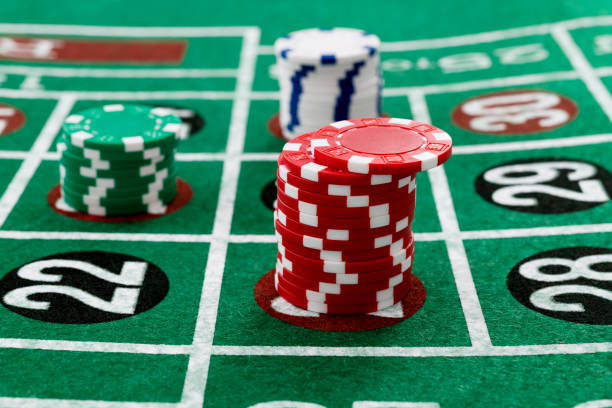
Ultimately, while luck can lead to unexpected wins, effective bankroll management creates a sustainable approach that allows players to enjoy the casino experience without the constant worry of financial loss. Recognizing the importance of maintaining a budget encourages responsible gaming and fosters a more positive atmosphere, allowing players to focus on enjoyment rather than solely on winning. This balance can significantly enhance the overall gaming experience, making it more fulfilling and less stressful.
The Psychology of Gambling
The psychological aspects of gambling are profound and can greatly influence a player’s decision-making process. Many individuals approach casinos with a mindset geared towards winning big, which can cloud their judgment and lead to impulsive betting. The excitement of chasing a jackpot can create a temporary illusion of luck, prompting players to take risks they might otherwise avoid. This emotional state can lead to reckless behavior if players do not maintain self-awareness and control over their actions.
Understanding the psychological pitfalls associated with gambling can empower players to approach the gaming tables with a more rational mindset. For example, cognitive biases such as the confirmation bias can lead players to focus solely on their wins while ignoring their losses. This skewed perception can foster a false sense of confidence, encouraging continued play even when the odds are not favorable. By recognizing such biases, players can make more balanced decisions, reducing the likelihood of falling into the trap of chasing losses.
Additionally, awareness of the “gambler’s fallacy,” or the belief that past wins or losses influence future outcomes in random games, can help players maintain a grounded perspective. Understanding that each game operates independently allows gamblers to make more rational decisions rather than succumbing to emotional impulses. These psychological insights underscore the importance of balancing strategy, skill, and self-awareness in the gambling process, ultimately leading to more informed and enjoyable experiences.
The House Edge Explained
The house edge is a fundamental concept in casino gaming that represents the mathematical advantage that casinos hold over players. This built-in advantage ensures that, over time, casinos remain profitable. The house edge varies between different games, and understanding these differences can empower players to make more informed choices about their gameplay. For instance, while slot machines may feature a high house edge, games like blackjack can offer better odds for players who employ optimal strategies.

The house edge is not just a random figure; it is derived from the probabilities associated with the game. Players who take the time to learn about these odds can develop strategies to minimize the house’s advantage. For example, in roulette, understanding the difference between betting on single numbers versus betting on groups such as colors can significantly affect a player’s chances of winning. By recognizing when certain bets are less advantageous, players can make informed decisions that enhance their overall gaming experience.
Overall, while luck plays a crucial role in outcomes, being aware of the house edge and its implications can provide players with an advantage in their gameplay. By combining this knowledge with strategic planning and disciplined play, players can navigate the complexities of casino gaming more effectively. This understanding not only contributes to a more enjoyable experience but also increases the likelihood of making informed choices that align with their gaming goals.
Your Journey through the Casino Experience
The casino experience is a multifaceted one that encompasses elements of luck, skill, strategy, and psychology. While many individuals enter casinos hoping for a stroke of luck, those who recognize and embrace the complexity of the environment are more likely to enjoy their time and achieve success. Considering the various aspects discussed, players can adopt a well-rounded approach that enhances their overall gaming experience, allowing them to appreciate the thrill of the game beyond mere chance.
Whether it’s refining skills in strategic games, practicing sound bankroll management, or maintaining a healthy psychological perspective, each element contributes uniquely to the overall casino equation. As players navigate their gaming journeys, they should continually evaluate their strategies and adapt their approaches based on their experiences. This adaptability is crucial for fostering long-term engagement and enjoyment in casino gaming, allowing players to find joy in the process rather than focusing solely on winning.
Ultimately, recognizing that luck is merely one part of the equation empowers players to take control of their gaming adventures. This understanding transforms their experiences into enjoyable pursuits, regardless of the outcomes. Embracing this comprehensive perspective can make a significant difference in ensuring that every visit to the casino is not just about luck but encompasses the excitement of strategic play, the joy of the game, and the overall thrill of the experience. A well-rounded approach to casino gaming can lead to richer and more fulfilling experiences for all players.
Sorry, the comment form is closed at this time.